nuevos plásticos
chema
28 November – 14 December 2025
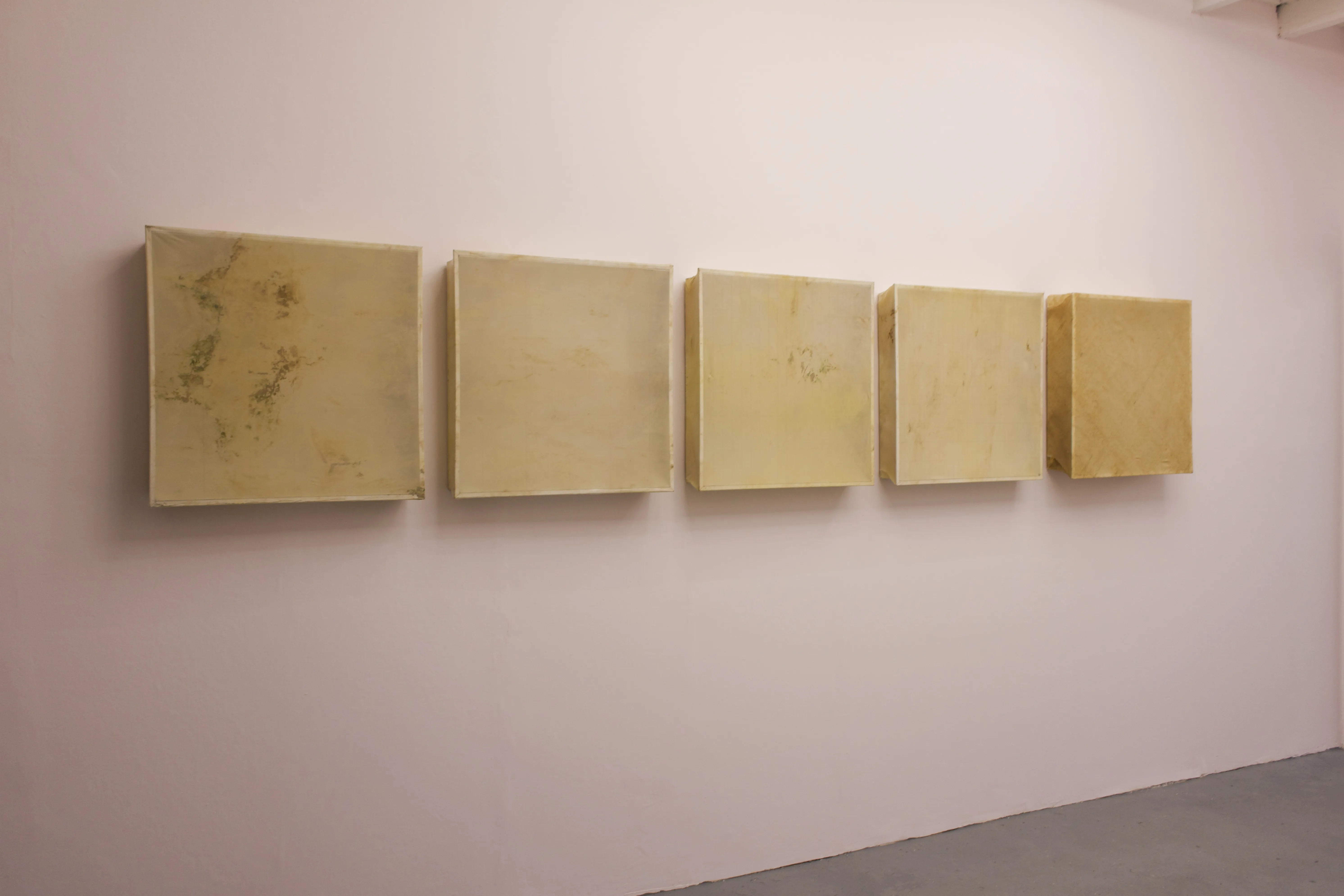
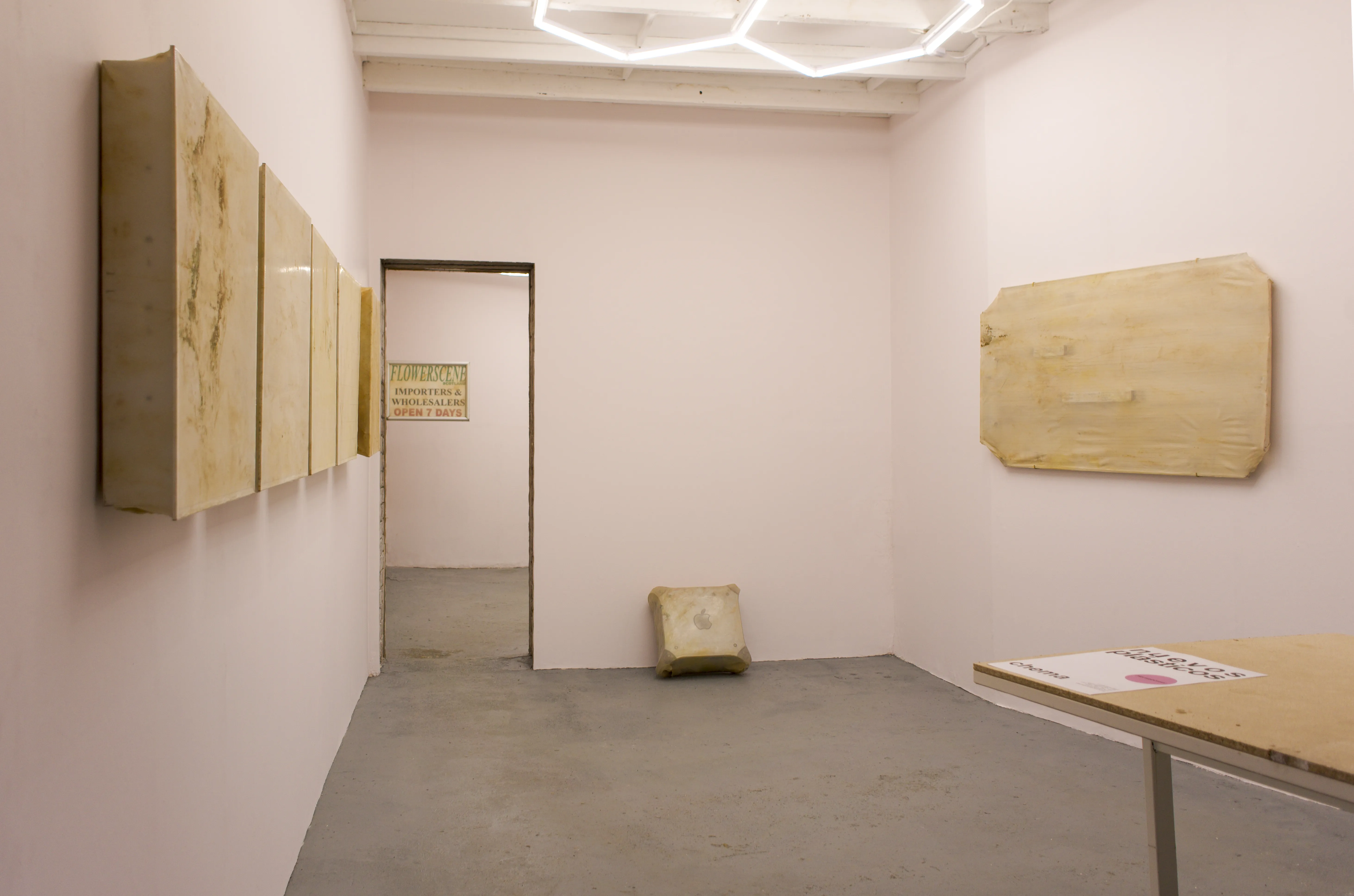
nuevos plásticos (new plastics) takes its name from chema's ongoing series el mar de plástico (the plastic sea). This is the name given to the region of Almería in southeastern Spain, where chema spent most of their childhood. In the 1960s, Franco's ministry for colonisation began the process of transforming this landscape into hundreds of square miles of greenhouse agriculture, all covered in white plastic. It's the only desert in Europe, requiring tons of water every day to grow vegetables for export and the UK is one of its top five importers.
The plastic that covers the greenhouses is only rated for three years. Every three years it must be taken down, replaced and painted white again. The plastic chema collects from the Almería coast is scummed with this paint residue. Some of it has been freshly dumped; some pulled from the subsoil after decades of exposure to sun and soil. Although most of it is recycled, the impacts of pollution are still visible across the province.
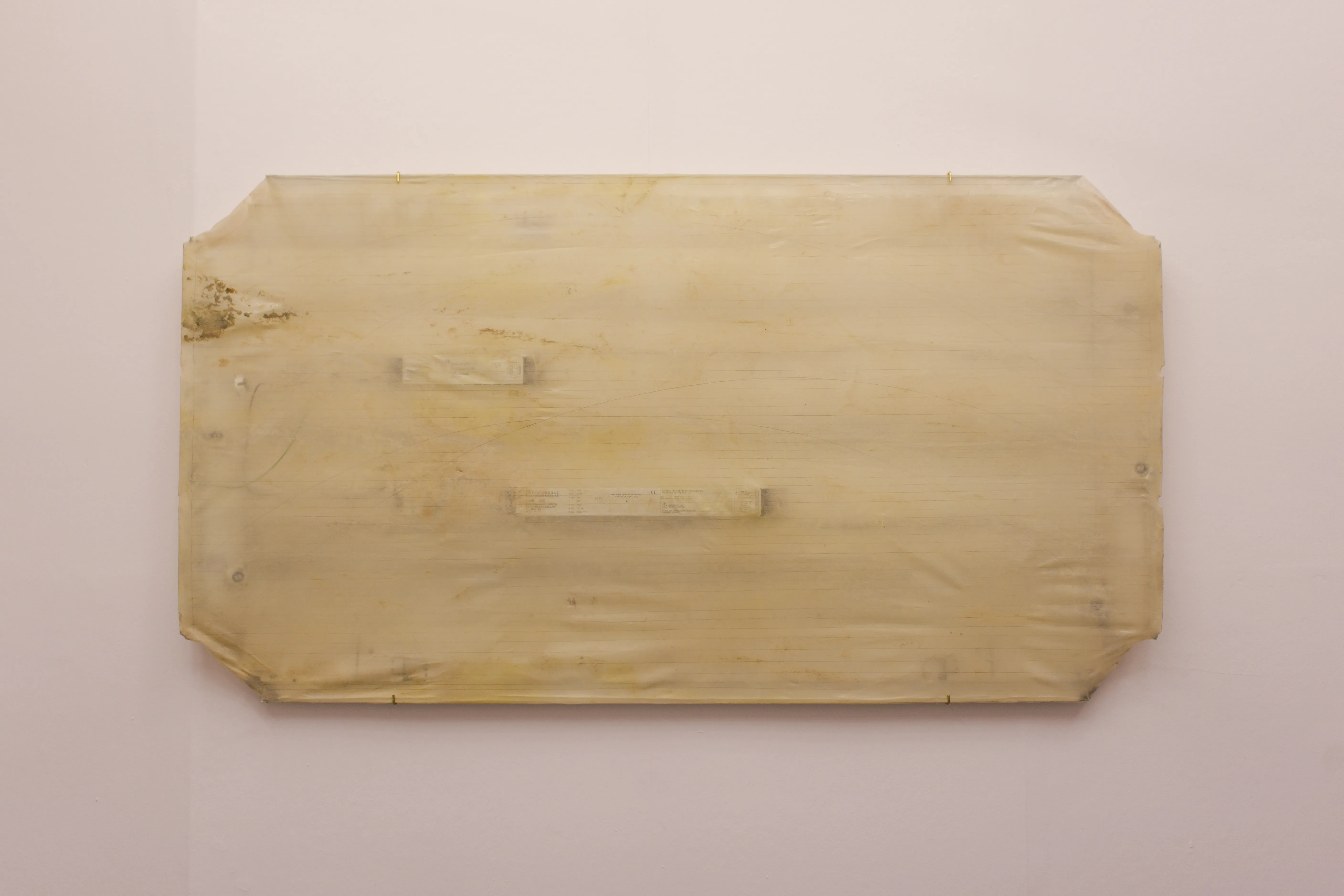
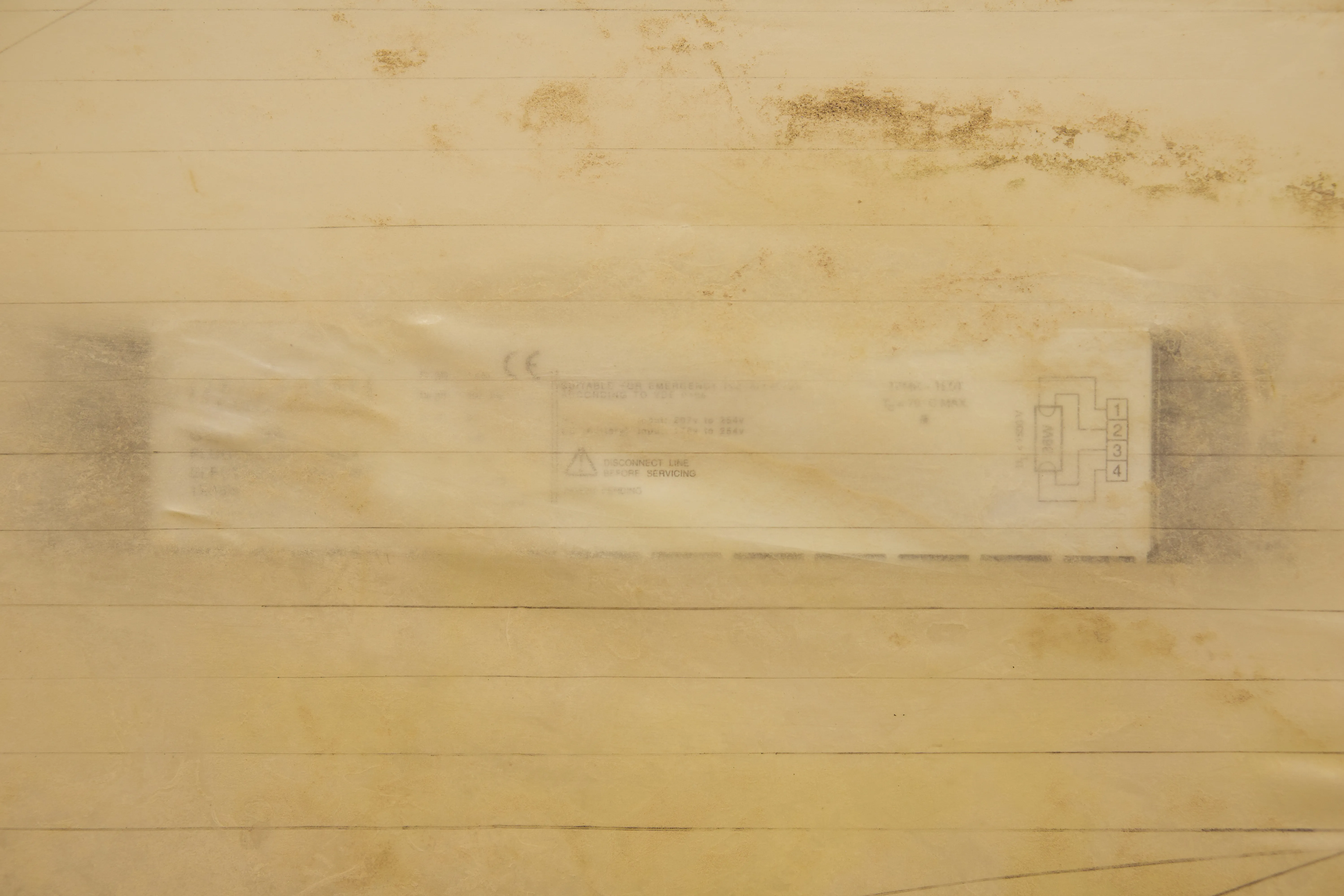
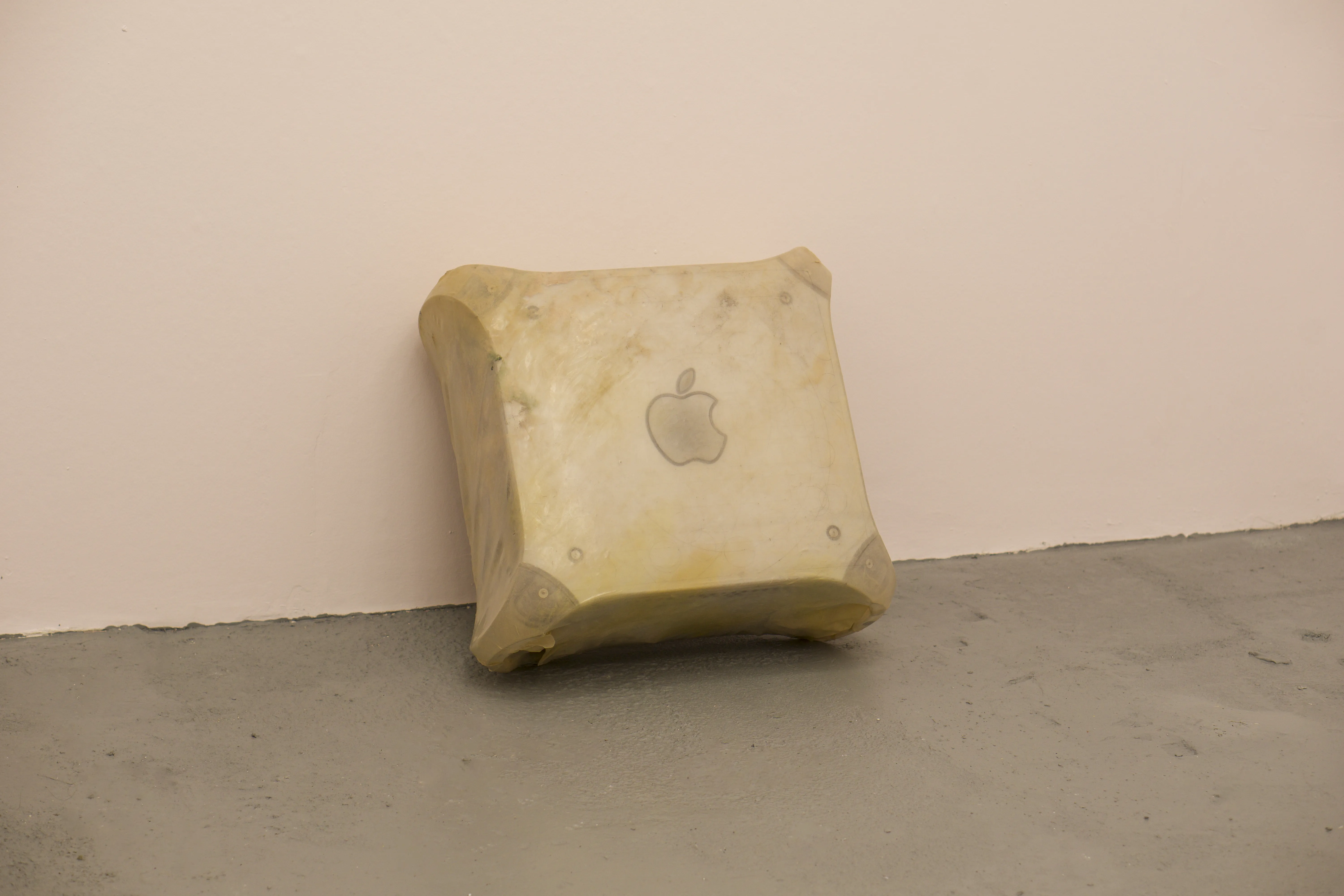
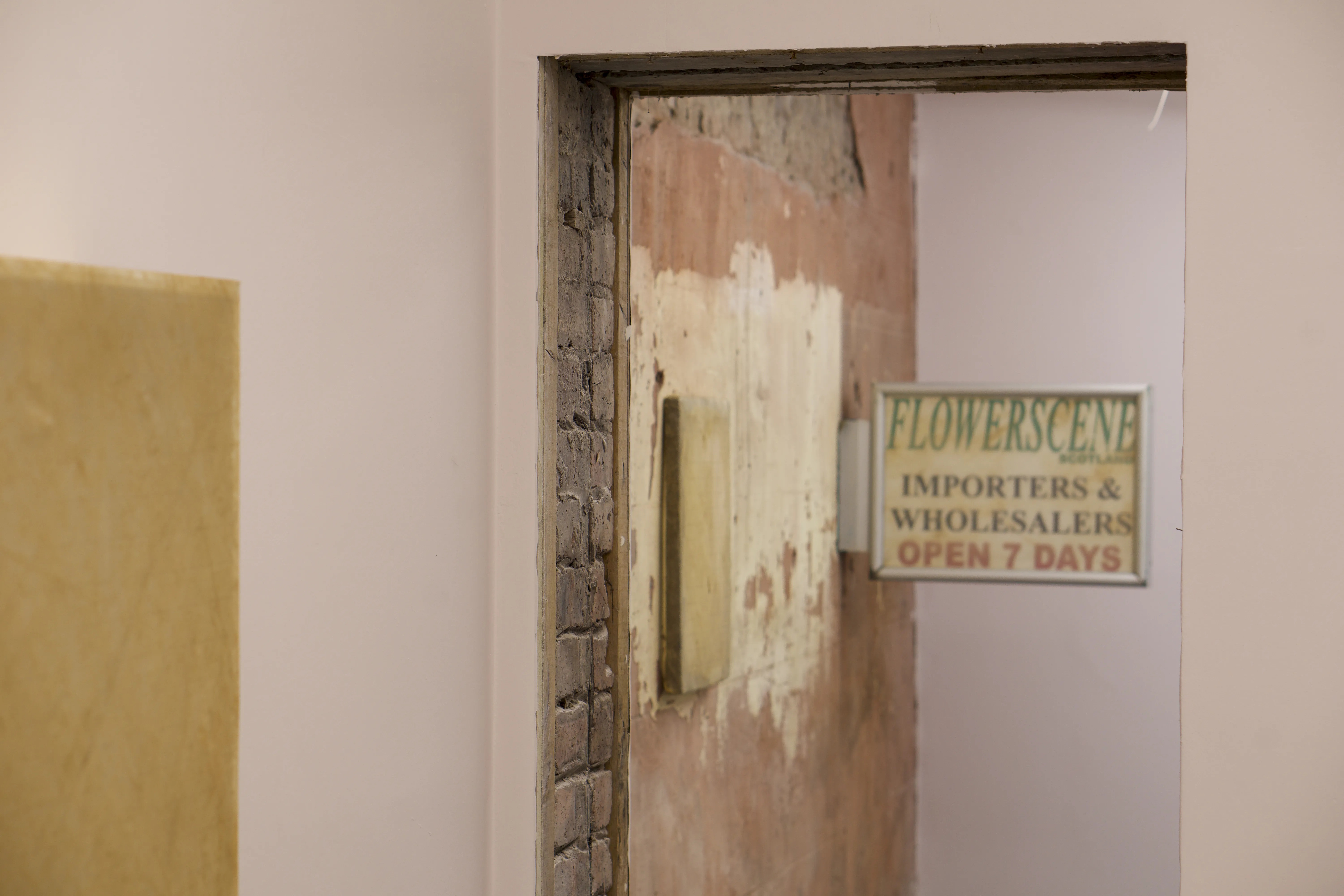
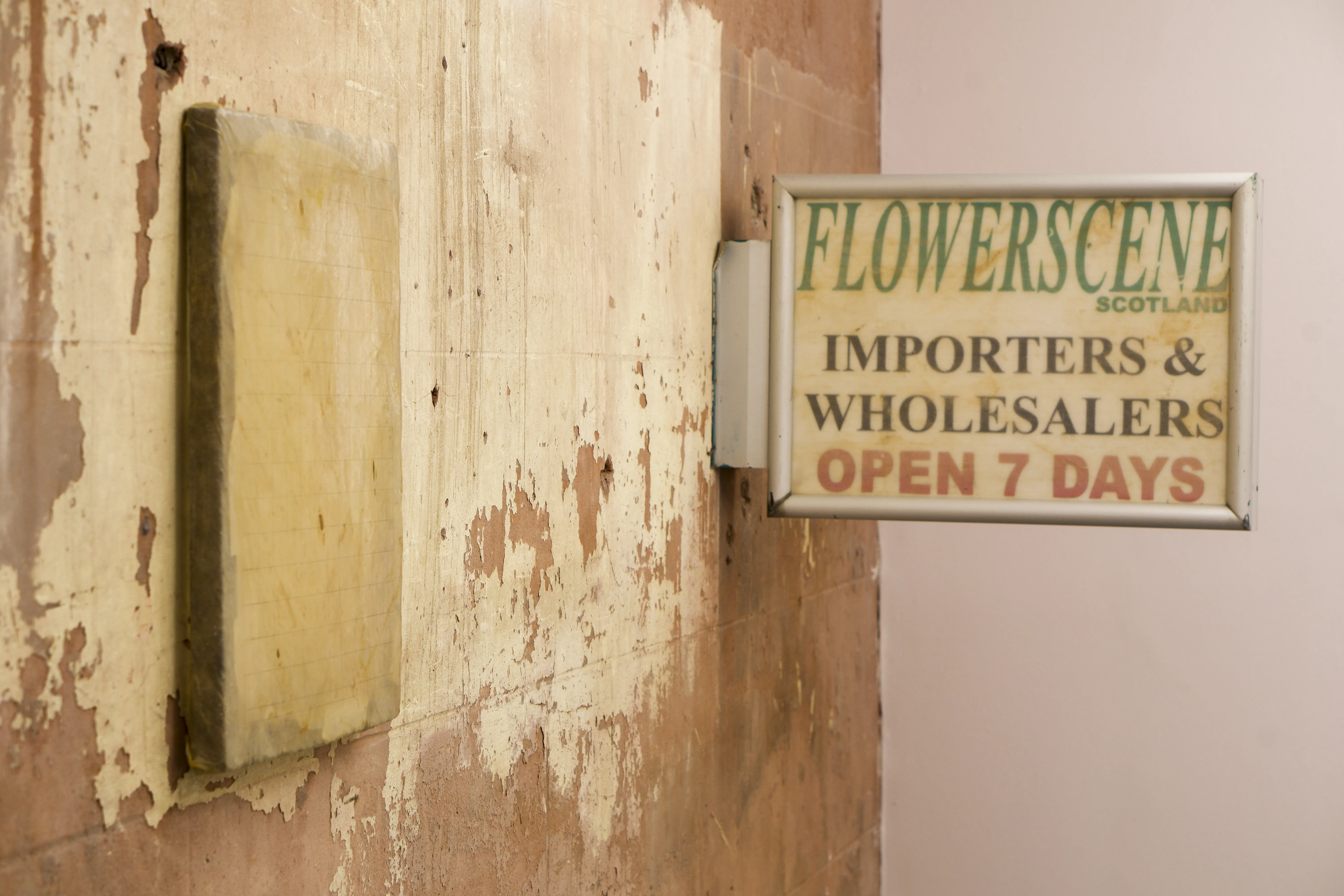
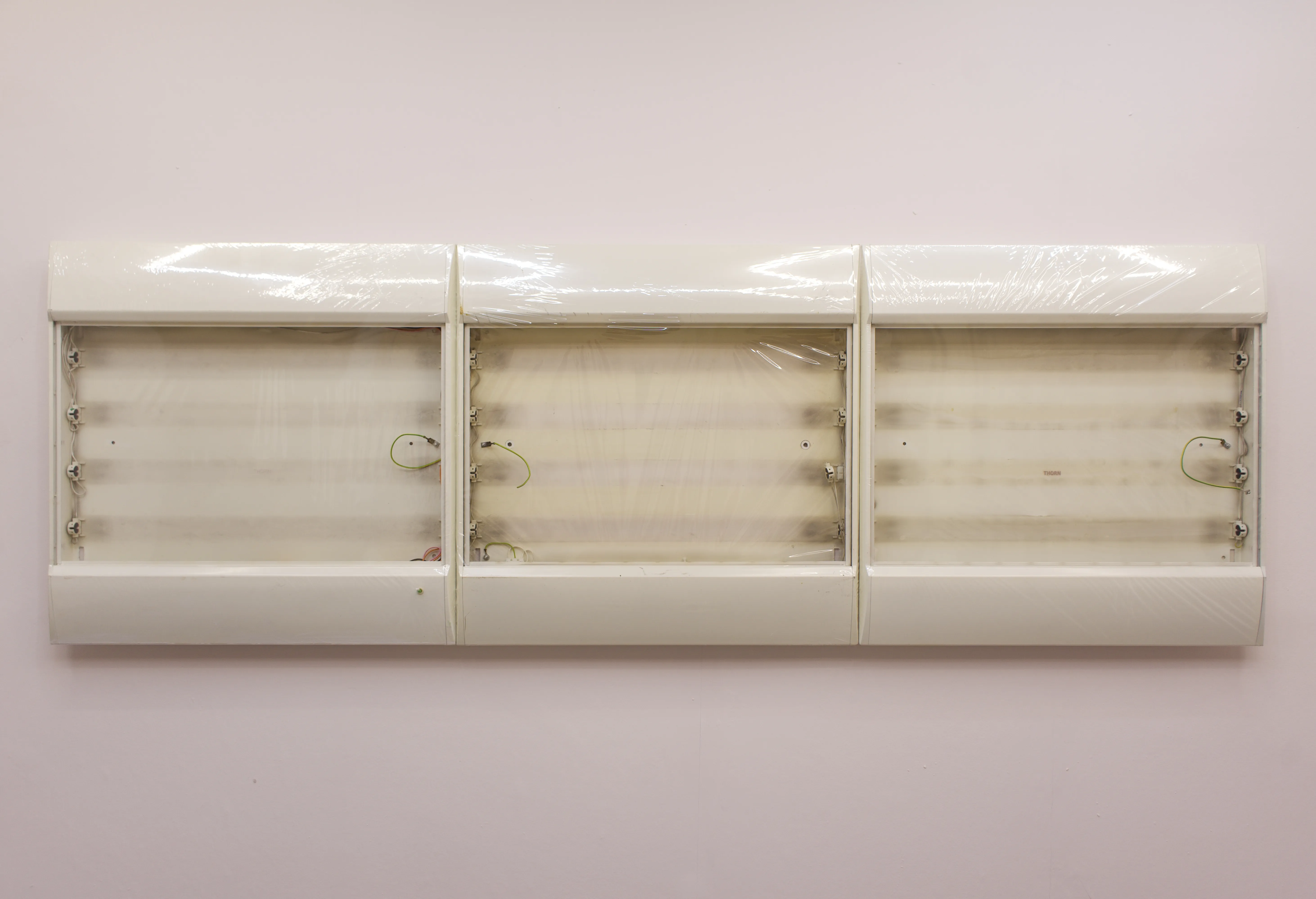
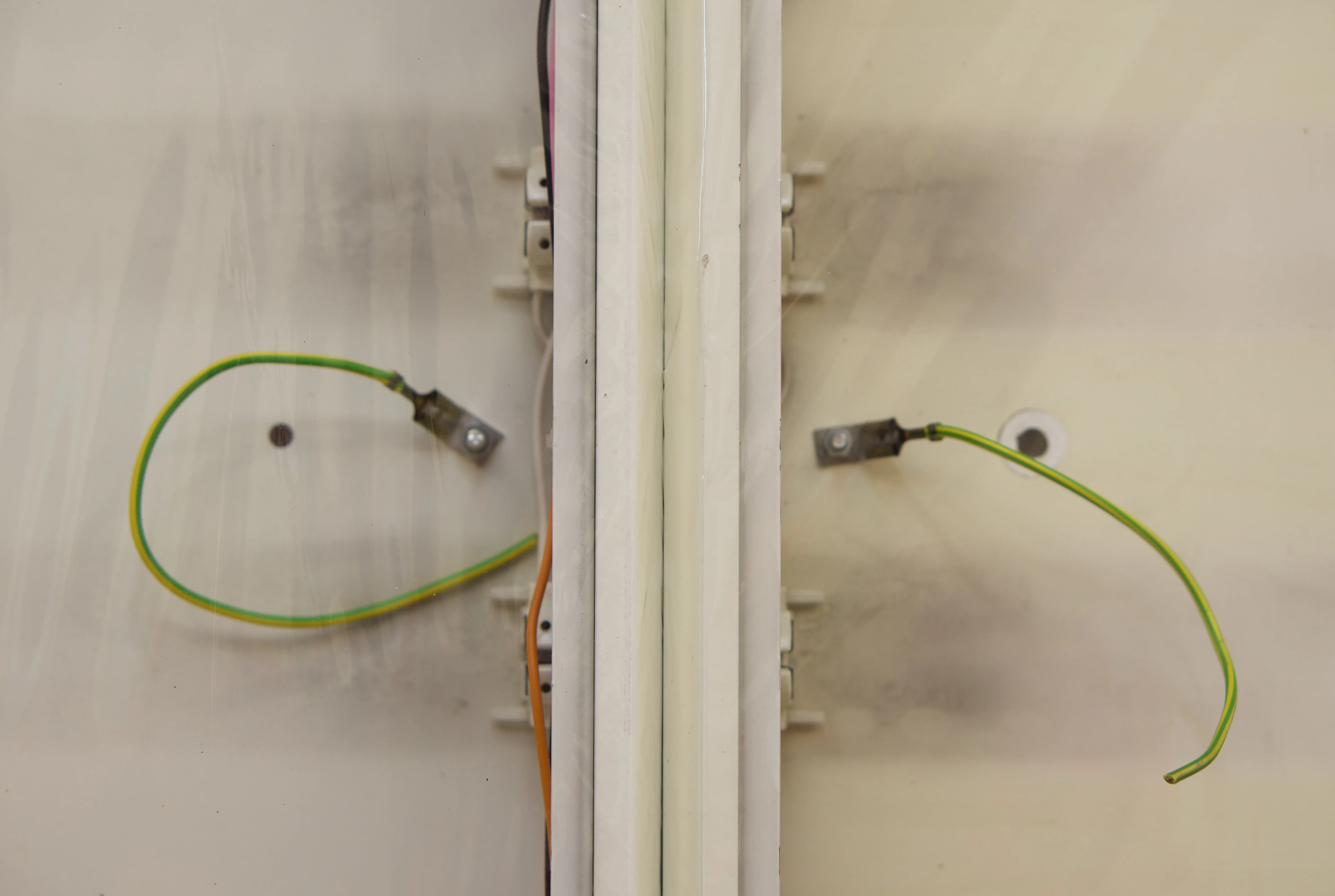
In Glasgow, chema salvages items from skips: light fittings from the university library, panels from a dishwasher, a discarded shop sign. They stretch plastic over these structures, creating new works from found materials. Some surfaces are marked by hand with precise, repetitive grids drawn directly onto the plastic; a meditative mark-making influenced by Agnes Martin. Others bear their own traces: fluorescent bulbs that burnt shadows where they once sat form a kind of automatic drawing.
chema came of age during Spain's financial crisis. The construction industry collapsed, leaving half-built structures and empty demarcated lots with paved streets that were never used accumulating weeds and rubbish. This landscape shaped their approach to materials. Working with what's already discarded is both practical and political: a reaction against fetishising pristine materials in a society that's careless about what it produces and throws away.